


Credir bod peritonitis firaol feline yn un o'r pethau gwaethaf a allai ddigwydd i berchennog cath ers amser maith. Achoswyd y clefyd marwol hwn gan newid yn y coronafirws feline. Nid oedd gan filfeddygon lawer o ddewisiadau, ac roedd yn rhaid i berchnogion anifeiliaid anwes wneud dewisiadau anodd iawn. Mae darganfyddiad yGS-441524 pigiad wedi newid y sefyllfa drist hon, gan roi gobaith gwirioneddol i bobl lle nad oedd dim o’r blaen. Mae'r cyffur gwrthfeirysol hwn yn gam mawr ymlaen mewn meddygaeth filfeddygol oherwydd ei fod yn rhoi ffordd wyddonol brofedig i feddygon drin cyflwr a arferai fod yn angheuol.
Manyleb 1.General (mewn stoc)
(1) Chwistrelliad
20mg, 6ml; 30mg, 8ml; 40mg, 10ml
(2) Tabled
25/45/60/70mg
(3) API (powdr pur)
(4) Peiriant wasg bilsen
https://www.achievechem.com/pill-press
2.Customization:
We will negotiate individually, OEM/ODM, No brand, for secience researching only.
Analysis: HPLC, LC-MS, HNMR
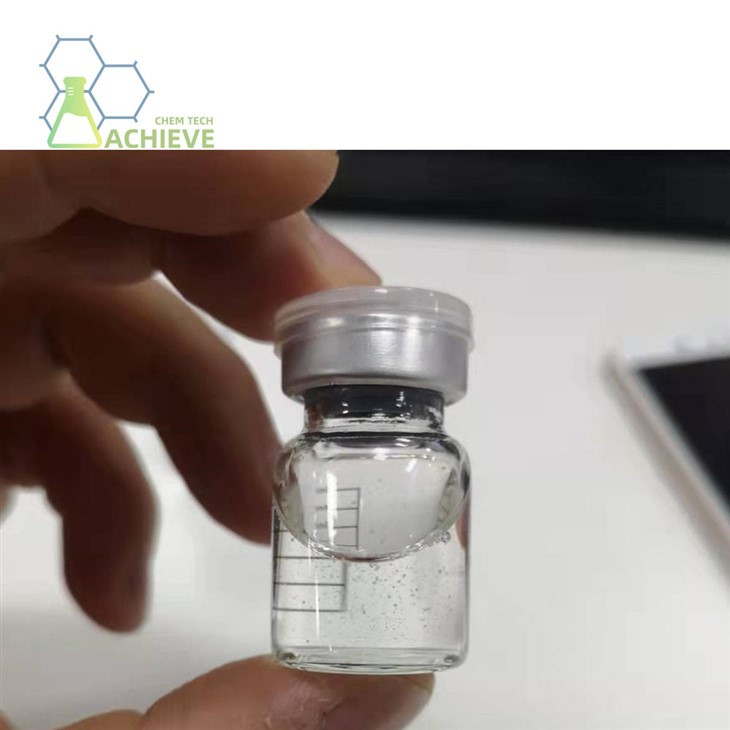
We provide tetracaine powder, please refer to the following website for detailed specifications and product information.
https://www.bloomtechz.com/oem-odm/injection/gs-441524-injection.html
This healing breakthrough has an effect on more than just one case. Amazing healing stories are happening in veterinary clinics all over the world, and scientists are still finding amazing survival rates. Pet owners and veterinarians can make smart choices about FIP treatment plans when they know how this medicine works, how it is used in the clinic, and the evidence that supports its use.

Why Is GS-441524 Injection Considered a Breakthrough in FIP Care?

With the release of the GS-441524 injection, the way cats are treated for infectious peritonitis changed in a big way. Before this medicine came out, FIP had a death rate close to 100%, so vets could only give their patients compassionate care. This nucleotide analog's antiviral qualities changed everything because they directly targeted the viral replication process that makes the disease worse.
Clinical tests have shown that cats that were given the right doses have survival rates of more than 80%. In the history of veterinary medicine, these results are the best ever seen for a disease that had no treatments available before.
People who used to think they would have to put their beloved pets down now have access to a treatment method that has been proven to improve health and lengthen life.
The GS-441524 injection can be used for many different things, and it works well against both types of infectious gastroenteritis in cats. Wet FIP, which is marked by fluid buildup in body cavities, usually gets worse quickly and makes breathing very difficult. The medicine has shown amazing results in getting rid of effusions, lowering inflammation, and getting organs working normally again in cats that have been affected.


Different problems come up with dry FIP, which often shows up in the eyes, the brain, or certain organs in ways that are hard to identify and treat. This treatment's antiviral method stops the virus from replicating, so it works for all kinds of FIP symptoms. There have been successful results recorded by veterinarians in cases involving eye inflammation, the central nervous system, and diseases affecting more than one organ.
Evidence-Based Treatment Protocol Development
When this medicine is used for therapy, it is done according to well-researched guidelines that maximize benefits while reducing risks.
Treatment usually lasts at least 12 weeks, and the dose is based on the person's weight and the seriousness of their illness. As a general rule, 4-5 milligrams per kilogram of body weight should be taken every day. If brain or eye problems happen, this amount should be raised to 6-8 milligrams per kilogram.
As treatment methods have changed, so have monitoring procedures. To see how well therapy is working, these have grown to include clinical exams, biochemical testing, and keeping track of symptoms. This organized method helps vets make choices based on data about whether to continue treatment, change the amount, or make other changes that might help each patient do better.


RNA Replication Inhibition Mechanism of GS-441524 Injection

GS-441524 injection starts inside cells, where enzymes change the molecule that was injected into its active triphosphate form. This biochemical change lets the molecule interact with virus machinery in ways that stop important reproduction processes from happening. The change works well in feline cells, making sure that therapeutic amounts of the active metabolite are reached inside the cells.
This stimulation process is a complex biological system that makes the medicine more effective at killing viruses while minimizing any possible effects on normal cell functions.
Its ribonucleotide analog structure lets it work with viral RNA synthesis pathways, which is where its antiviral effects happen through methods of competitive inhibition.
The active molecule acts as a fake substrate for viral RNA-dependent RNA polymerase, which is the enzyme that copies viral genetic material. When this version is added to growing RNA chains by the virus polymerase, it causes the chain to end too soon. Because of this break, the virus can't make working copies of its DNA, which means it can't spread inside the host.


This process is better than treatments that focus on other parts of virus biology in a number of ways. The specificity of virus polymerase makes it less likely that it will affect host cell processes in ways that aren't intended. The direct interference with RNA production targets the main process that makes the disease get worse, so it works no matter what changes happen to the virus or how the disease shows up in the body.
Broad-Spectrum Antiviral Properties
Researchers have found that this chemical can fight more than just the feline coronavirus.
It can also fight other RNA viruses. In vitro tests have shown that these compounds can stop the growth of different coronaviruses, including those that infect people. This broad-spectrum activity shows that RNA-dependent RNA polymerase is the same in different types of viruses, which suggests that it could be used for things other than veterinary medicine.
The molecule can stop different types of viruses from copying themselves because it looks like natural nucleotides that all RNA viruses need to copy themselves.


Can GS-441524 Injection Improve Recovery Outcomes in FIP-Affected Cats?
GS-441524 injections usually show measurable changes. Some early signs of a therapeutic reaction are a bigger hunger, more energy, and a lower fever. These clinical improvements often happen before changes can be seen in the lab. This gives pet owners and medical teams working on these situations early hope.
The amount of time needed to fully heal depends on the seriousness of the disease, how long the symptoms lasted before treatment started, and other factors unique to each patient. Cats that just got FIP often get better faster than cats that have had the disease for a long time and are very sick. Neurological and eye symptoms may need longer treatment times to fully resolve, which stresses how important it is to be patient and follow the suggested steps.
The objective measures of treatment success are biochemical markers. For example, when albumin levels go up, inflammatory markers go down, and liver tests return to normal, this means that the treatment is working. Regular tracking lets veterinary teams keep track of growth numerically and make smart choices about whether to keep treating the animal or change the way it is treated.
Successful treatment has effects that go beyond just life. They also include restoring normal feline habits and comfort. After treatment, cats usually return to activity levels that are average for their age, keep their bodies in good shape, and act normally with other cats. This full recovery is very different from how FIP got worse over time when it wasn't handled.
Pet owners say that their cats get back to being playful, curious, and loving, which they had lost while they were sick. Being able to go back to normal food, cleaning, and exploring your surroundings shows that you have really recovered and not just slowed down the disease. These changes in quality of life show that therapy has therapeutic value beyond just survival rates.
Cats that follow the suggested treatment plans and are successful usually stay in recovery for a long time without needing to take medicine every day. Follow-up tests that followed treated cats for long periods of time have shown that most of them are still healthy and the disease hasn't come back. This long-lasting reaction shows that the right treatment courses stop the virus from actively replicating.
Some cats may have a return, especially if they stop their treatment too soon or if the first dose wasn't enough to get rid of the virus completely. When signs of a return are noticed, treatment can be started right away, which usually results in better disease control. Veterinary advice on how to keep an eye on their pets helps owners notice changes that aren't normal as soon as possible, when it's best to take action.

Disease Progression Control Through GS-441524 Injection

Infectious peritonitis in cats is caused by the immune system being overactive, which causes serious inflammation and tissue damage. The GS-441524 injection stops the growth of viruses, which gets rid of the cause of this harmful immune reaction. When the virus load goes down, the production of inflammatory mediators goes down too. This means that effusions go away, fever goes down, and organ function gets better.
This stops the chain of events that cause inflammation, which relieves symptoms quickly while letting the healing process continue.
Within days to weeks of starting treatment, cats with wet FIP often see a big drop in the amount of fluid that builds up in their abdomens or thorax. The medicine's anti-inflammatory effects happen because it's main job is to fight viruses, so it works on both the cause and results of illness.
Preventing Multi-Organ Involvement
If this antiviral drug is used early in treatment, it can stop the infection from spreading to other organ systems. If cats with limited symptoms start treatment right away, the illness may not spread to other parts of the body and become more complicated.


This preventative part of therapy shows how important it is to quickly diagnose FIP and start treatment after proof. Because the drug is distributed throughout the body, it can reach virus stores all over, including safe havens in the eyes and central nervous system. This complete suppression of viruses stops new infection sites from forming and makes it easier for the immune system to get rid of current viral populations. This stops and even reverses the disease, rather than just slowing its inevitable spread.
The immune system of cats can heal from the dysfunction that leads to FIP when the virus is stopped effectively.
As the number of copies of the virus decreases, immune reactions return to normal, inflammatory markers go down, and protective immunity may emerge. This immune system repair helps keep the response going after treatment is over and may even protect against the virus coming back.
When the immune system gets back to normal, it shows up as higher white blood cell numbers, normalized lymphocyte groups, and the disappearance of the antibody patterns linked to active FIP. These changes in the immune system happen at the same time as the patient's clinical recovery and provide more concrete proof that the treatment worked.


Veterinary Insights Into GS-441524 Injection as a Targeted FIP Therapy

GS-441524 injection safely, a full diagnostic test must be done to determine that a cat has infectious peritonitis before treatment can begin. Veterinarians use a variety of methods to make diagnoses, such as looking at the animal's symptoms, blood tests, imaging studies, and sometimes fluid or tissue samples. This all-around method lowers the chance of treating conditions that look like FIP but need different treatments.Because there isn't a single clear test for FIP, it can be hard to make a diagnosis. Multiple results must be put together to make a sure diagnosis.
It is possible to diagnose FIP if there are high levels of globulin, low levels of albumin-to-globulin ratios, a fever that doesn't go away, and certain qualities of the fluid. PCR analysis of fluid samples or immunofluorescence staining of tissue samples to find viral proteins are examples of more advanced tests.
Accurate evaluation is important for more than just choosing the right treatment. It's also important for having honest conversations with pet owners about the prognosis. When FIP diagnoses are confirmed, extended treatment methods are justified, and veterinary teams can set realistic goals for treatment outcomes and timelines based on evidence.


Veterinary experience with this drug has improved dosing methods to get the most out of it while still keeping safety in mind. Weight-based estimates can help you get started, but you may need to make changes based on your disease severity, reaction patterns, and tolerance. When it comes to cats with neurological or eye problems, bigger amounts are needed to get the drug to the right levels in these specific organs.The subcutaneous method is useful for home care and makes sure that the drug gets to the right place.
The patient's comfort and the medication's intake are affected by the right way to inject, rotating the site, and thinking about the amount. Veterinary teams give pet owners thorough training on how to give treatments at home, which makes sure that treatments are given consistently throughout extended routines.
Dose optimization based on objective reaction measures is possible with monitoring plans. If a cat is getting better quickly, the normal dose may be continued. If a cat is getting better more slowly, the dose may be increased. This personalized method takes into account that biological differences affect how drugs work, how bad the sickness is, and what kind of treatment each patient needs.


Antiviral medicine is only one part of comprehensive FIP care. Other parts include nutritional support, managing fluid intake, and treating symptoms. Cats that are losing their appetite can benefit from tasty foods, hunger enhancers, or assisted feeding methods that keep them eating while they heal. A good diet helps the immune system work and speeds up the healing process, which is necessary for a full recovery.
Along with antiviral treatment, tailored measures are needed to manage certain complications. Cats with large effusions may need therapeutic drainage to ease their breathing problems before the medicine starts to work. If you have symptoms in your eyes, you may need to take anti-inflammatory eye drugs at the same time as your antiviral treatment to protect your vision.
Pain control is important, especially when giving a shot, because the medicine can cause temporary pain at the injection site. Veterinary teams may suggest warming solutions to body temperature, using the right needle sizes, and treating animals gently to reduce the worry that comes with injections.

GS-441524 injection is a big change in how viral peritonitis is treated in cats. It turns a condition that was always fatal into one that can be treated and has a good outlook. The way this antiviral drug works is by directly attacking the processes of virus replication. This stops the sickness from getting worse and helps the immune system heal. Clinical data shows that people with different types of FIP have high mortality rates and their quality of life can be improved.
To be successful, treatment needs to include a correct evaluation, the right dosing methods, and a commitment to long-term therapeutic practices. Having a vet help with care makes sure that the best results happen and that each patient's needs are met. We can help cats get better from this disease that used to be very bad because we are always improving the ways we treat it and getting more clinical experience.
Pet owners whose pets have been diagnosed with FIP can now get treatments that have been shown to work and give their pets a real chance to get better. The scientific backing for this therapy method gives people who make treatment choices peace of mind and helps vets and cat owners talk about this difficult condition in a well-informed way.
1. How long does treatment with GS-441524 injection typically last for cats diagnosed with FIP?
In most cases, treatment plans last at least 12 weeks, and daily subcutaneous shots are needed during that time. Some cats, especially those with brain or eye problems, may need treatment plans that last 16 weeks or longer to get rid of the virus completely. Veterinarians decide how long to treat an animal based on how well it responds, how quickly its symptoms go away, and how well its lab tests return to normal. Early quitting raises the risk of return, so following the recommended treatment schedule is very important for the best results.
2. What are the signs that a cat is responding positively to GS-441524 injection therapy?
In the first one to two weeks of treatment, a better appetite, more energy, and a drop in fever are all early signs of a therapeutic reaction. As effusions go away, cats with wet FIP have less belly distension, and cats with dry FIP gradually get better in the organ systems that were affected. Improvements in the lab include higher levels of albumin, lower levels of globulin, and stabilization of inflammation markers. Returning to normal exercise patterns, maintaining a healthy body state, and not having any FIP-related clinical signs are all signs of full recovery.
3. Can cats experience relapse after completing a full course of GS-441524 injection treatment?
A small number of cats that have been treated relapse, usually when the treatment doesn't last long enough or the dose is too low to completely get rid of the virus. Relapse symptoms are similar to the first FIP symptoms and usually show up a few weeks to months after treatment stops. Disease control is generally restored quickly by recognizing the problem and starting treatment again. Veterinarians may suggest longer watch times after treatment is over, with check-ups every so often to look for early signs of relapse. Most cats who get the right medicine stay in recovery for a long time without getting sick again.

Partner With BLOOM TECH for Reliable GS-441524 Injection Supplier Solutions
GS-441524 injection supplier solution when you need high-quality compounds for study, animal medicine, or pharmaceutical work. Our GMP-certified factories meet international safety standards, like those set by the US FDA, the EU, and the CFDA. This makes sure that every batch is of pharmaceutical-grade quality. We have been making organic compounds and pharmaceutical intermediates for more than 12 years, so we can give you the clarity, uniformity, and paperwork that your uses need.
Our competitive edge goes beyond quality assurance and includes clear pricing, accurate wait times, and full technical help during the whole procurement process. We keep a close eye on quality with three levels of testing, which makes sure that every package meets your exact needs. Our production options are flexible enough to meet your needs, whether you need small amounts for study or large amounts for mass output.
Get in touch with our expert team right away to talk about your GS-441524 injection needs. Send us an email at Sales@bloomtechz.com to get full product details, price, and advice on custom synthesis. BLOOM TECH turns your problems with getting chemicals into easy-to-use solutions that are backed by quality, dependability, and quick service.
1. Pedersen NC, Perron M, Bannasch M, Montgomery E, Murakami E, Liepnieks M, Liu H. Efficacy and safety of the nucleoside analog GS-441524 for treatment of cats with naturally occurring feline infectious peritonitis. Journal of Feline Medicine and Surgery. 2019;21(4):271-281.
2. Murphy BG, Perron M, Murakami E, Bauer K, Park Y, Pandey K, Hamasaki T, Lee WA, Okamoto K, Motter N, Malone RW. The nucleoside analog GS-441524 strongly inhibits feline infectious peritonitis virus in tissue culture and experimental cat infection studies. Veterinary Microbiology. 2018;219:226-233.
3. Dickinson PJ, Bannasch M, Thomasy SM, Murthy VD, Vernau KM, Liepnieks M, Montgomery E, Knickelbein KE, Murphy B, Pedersen NC. Antiviral treatment using the adenosine nucleoside analogue GS-441524 in cats with clinically diagnosed neurological feline infectious peritonitis. Journal of Veterinary Internal Medicine. 2020;34(4):1587-1593.
4. Jones S, Novicoff W, Nadeau J, Evans S. Unlicensed GS-441524-Like antiviral therapy can be effective for at-home treatment of feline infectious peritonitis. Animals. 2021;11(8):2257.
5. Krentz D, Zenger K, Alberer M, Felten S, Bergmann M, Dorsch R, Matiasek K, Kolberg L, Hofmann-Lehmann R, Meli ML, Spiri AM. Curing cats with feline infectious peritonitis with an oral multi-component drug containing GS-441524. Viruses. 2021;13(11):2228.
6. Addie DD, Covell-Ritchie J, Jarrett O, Kennedy MA. Rapid resolution of non-effusive feline infectious peritonitis uveitis with an oral adenosine nucleoside analogue and feline interferon omega. Viruses. 2020;12(11):1216.